AI vs Human Mastering — What’s Best for Your Music?
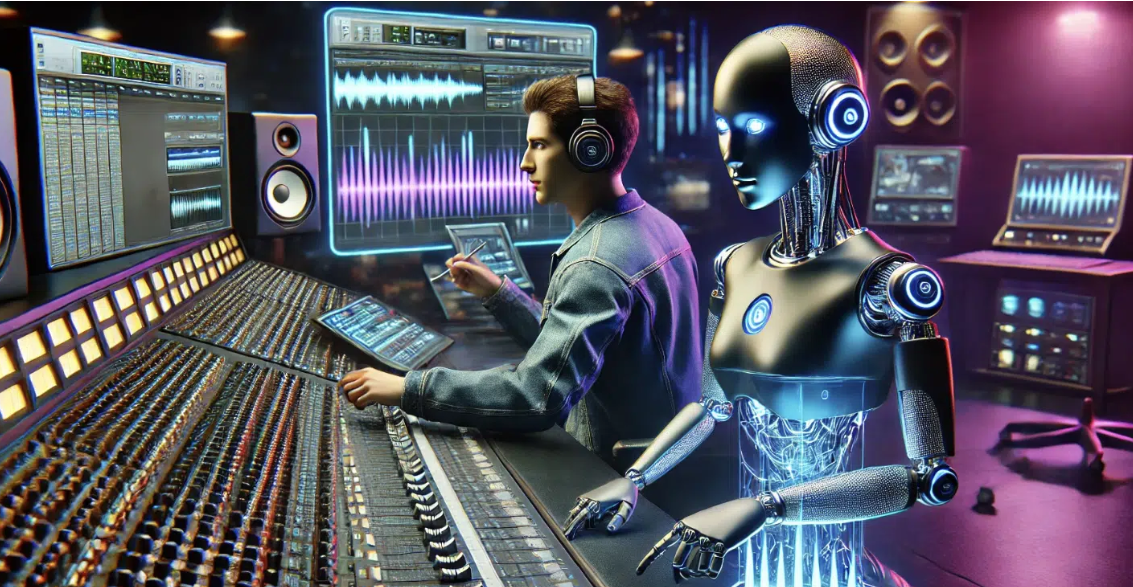
Mastering strives for the final 3-5% improvement in quality on your mix — the step that helps your track stand up against everything else on streaming platforms, while preserving the emotion and intention of your mix. Done well, it brings clarity, depth, punch and cohesion. However, the way you get there has changed significantly in recent years.
Today, there are AI-powered mastering services, such as LANDR and DistroKid’s Mixea, that promise instant results at a low cost. And then there’s the traditional approach: sending your track to a seasoned human mastering engineer (like myself). Let’s explore the pros and cons of each, and when one might serve you better than the other.
🧠 AI Mastering — Quick, Cheap, and Convenient
AI mastering tools analyse your stereo mix and apply processing automatically — EQ, compression, and limiting for loudness optimisation. Platforms like LANDR and DistroKid’s Mixea have made this more accessible than ever.
🔹 LANDR
LANDR’s pricing bundles mastering with distribution and promotional tools. Their subscription plans for mastering and distribution start from around $12.50–$15/month (billed annually) for basic access, with higher tiers offering enhanced mastering options and support.
🔹 Mixea
DistroKid’s Mixea’s AI mastering is offered as an unlimited mastering subscription for around $99/year. This means you can upload and download unlimited masters all year long — ideal if you release frequently.
✅ Pros of AI Mastering
⚡ Speed: Masters delivered in seconds to minutes — great when you want instant results.
💸 Cost-effective: Much cheaper than paying per track master with a human engineer.
📈 Consistency on simple tasks: AI doesn’t fatigue, and can reliably hit target loudness and frequency balance within its algorithmic framework.
🤝 Accessible for DIY creators: No scheduling, no back-and-forth — ideal for early drafts, reference mixes, or churning out library music.
❌ Cons of AI Mastering
🎨 Limited artistic nuance: AI doesn’t truly understand genre context or emotional intent — it matches statistical patterns rather than creative goals.
🛠 One-size-fits-all: If your mix has unique issues, problematic dynamics, intentional clipping, or a genre-specific flavour, AI may miss this and not process your audio in accordance with this intent. Real mastering engineers hear and interpret those elements.
❗ Algorithmic biases: Many users and producers have noted that automated masters can push overly bright EQ curves or similar processing across genres where that isn’t musically ideal.
🎛️ AI platforms only use digital processing. Your mix won’t run through tasty, harmonic and character-inducing analogue hardware (it will at my studio).

🎧 Human Mastering — Personal, Artistic, Tailored
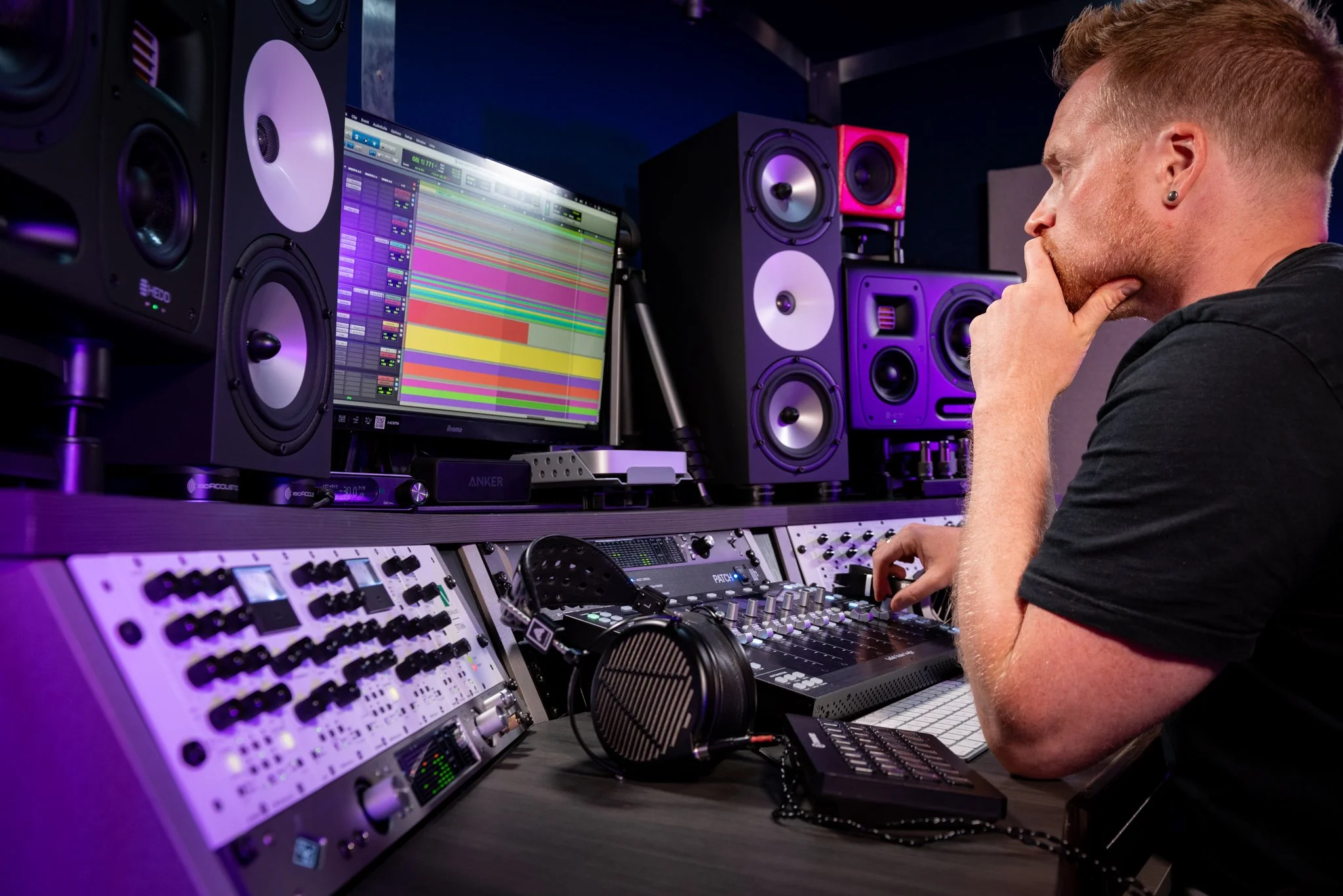
A professional mastering engineer listens in an acoustically treated room, with calibrated monitors, to make decisions not just about dynamics and EQ, but about the vibe, intention and context of your music, and crucially - how your song will translate to other sound systems - including the car stereo. If your mix has a subtle groove, dynamic contrast between sections, or emotional transitions, that won’t always show up in a stereo file’s ones and zeros — but a human can feel it and adjust the processing accordingly.
On my mastering page, I explain how mastering involves refining your stereo mix, shaping the low-end foundation, balancing dynamics, adding stereo width, and preparing files for different platforms.
🔹 Typical Human Mastering Costs
In the UK today, human mastering typically sits around:
£50–£60 per song is a strong base rate with experienced engineers online.
Some high-tier engineers with well-known credits charge £70–£150+ per track, especially if they have genre-specific experience.
✅ Pros of Human Mastering
🎶 Creative interpretation: Humans can preserve or enhance the emotional arcs of a track, not just its loudness.
🔍 Problem-solving: Master engineers hear issues beyond the algorithm’s grasp — like masking artefacts, spectral imbalances, or unintended distortion — and fix them in context.
📚 Genre awareness: A seasoned engineer knows genre-specific mastering conventions, from UK bass transitions to hip-hop low-end feel.
🧑🤝🧑 Collaboration and feedback: You can discuss revisions and artistic goals, something AI can’t really do.
❌ Cons of Human Mastering
💰 Cost: Typically higher than AI services — but you’re paying for years of experience, skill, and personal attention.
⏱ Time: Good mastering takes time — often days due to scheduling — not seconds.
🧠 Final Thoughts
AI mastering has come a long way: it’s quick, accessible, and useful for many indie artists. But it’s ultimately a tool, not a creative partner. For artists who want a final master that feels right in every context — radio, streaming, club systems, hi-fi setups — the human element still matters.
If you need masters that preserve artistic intent while translating properly across systems, or you want feedback on your mix before mastering, that’s where professional mastering services — like mine — bring value you simply can’t get from algorithms alone.