Is Analogue Making a Comeback?
Recallable Hardware, Wes Audio, and What the SSL Odyssey Really Means for the Future of Audio.
For over two decades, more and more chart-topping records have been mixed in the box. Not because analogue stopped sounding good, but because recalling the gear was such a hassle. Plugins recall instantly, cost a fraction of the price and, bar the odd update, need no maintenance. Analogue studios started to feel like a thing of the past, and with Serban Ghenea passing one trillion streams, nearly all of them done in the box, analogue had begun to feel irrelevant (for mixing).
That part of the story has been quietly changing for a few years, and it just got a lot louder.
analogue WAS ALWAYS FUNDAMENTALLY FLAWED BY RECALL
The sound was never the problem. The problem was operational: if a client wants a vocal a dB louder six weeks after you bounced the final mix, and recalling the mix meant copying hardware knob positions and hoping you set them back exactly right, digital wins on workflow even if it doesn't win on sound. The convenience and speed of total, immediate recall is what made the box the default workflow.
the Wes Audio NG500 system
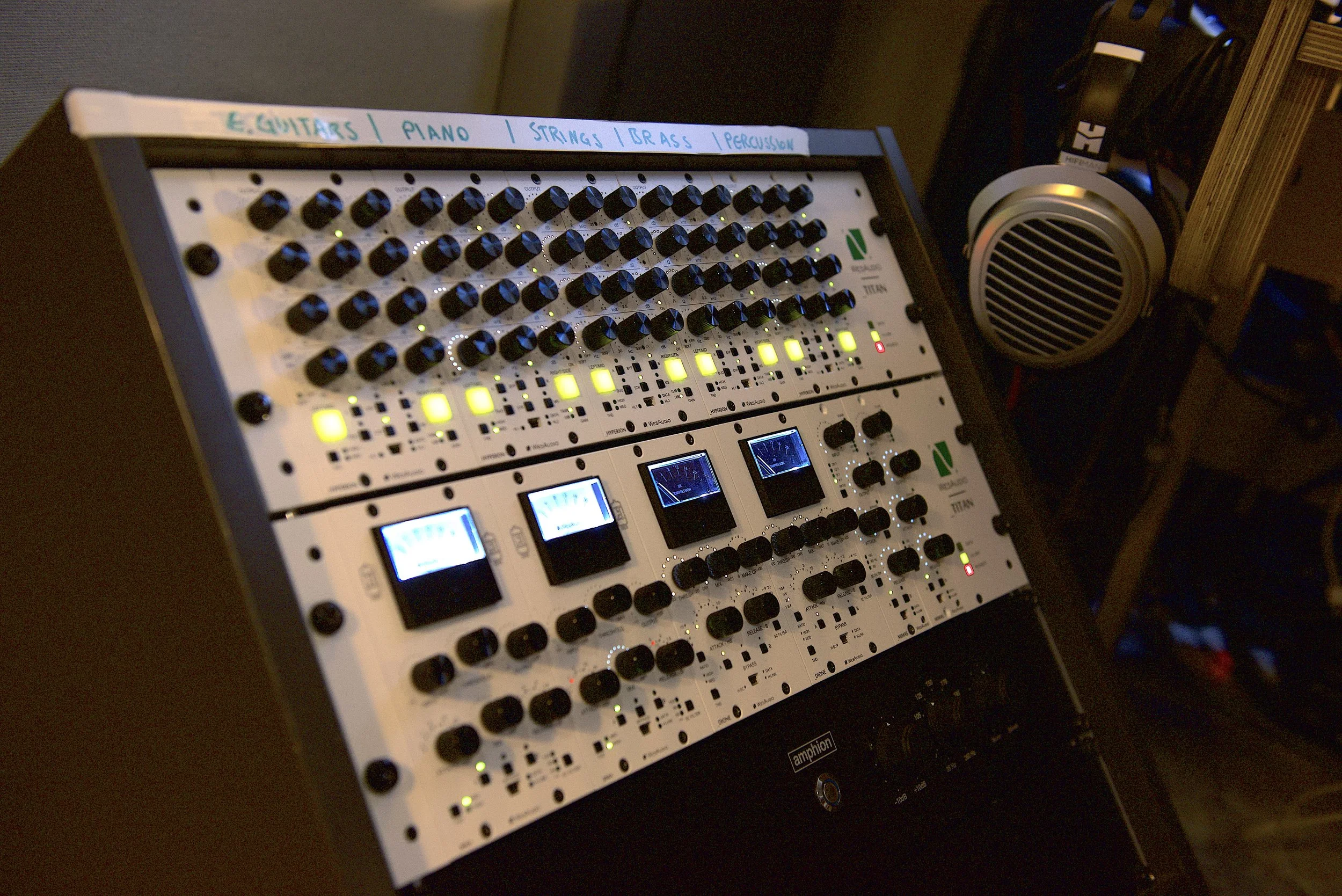
The NG500 platform is Wes Audio's open "Next Generation 500 series" protocol. Their 500-series modules have extra pins for digital communication between the analogue module and proprietary Wes Audio DAW Plugins and desktop application. Housed in Wes Audio's “new standard” TITAN lunchbox chassis, settings can be recalled and automated from your DAW over a single USB or Ethernet connection. Because it's an open specification, other manufacturers can build ng500-compatible modules too, so the format isn't locked to one company's catalogue. I’m surprised this feature uptake hasn’t taken off yet, but watch this space!
Practically, that means your audio reacts to real transformers, analogue compression circuitry, and real Class-A gain stages, but recalling a session happens the moment you load your DAW session! This is priceless in a world of client revisions! All at great price points, very accessible to most people.
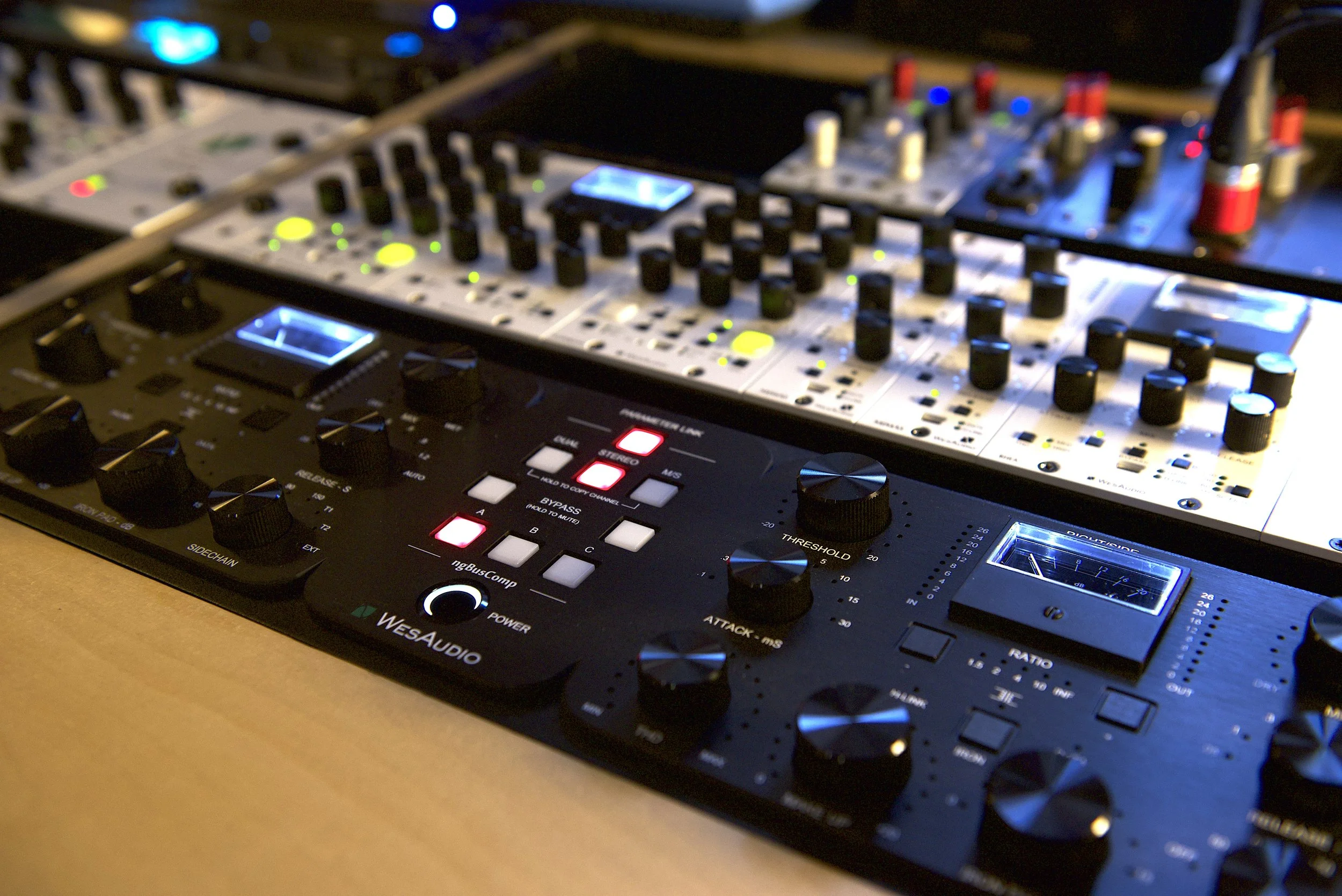
The Next Generation protocol also extends to Wes Audio’s flagship mastering-grade analogue processors, such as the ngBusComp, ngTubeComp, ngTubeEQ, amongst many other 19" rack-mountable units, including the ng76. This brings the world of analogue mastering into the immediately recallable realm of absolute convenience! A feature a LOT of studios are adopting, and one that can’t be ignored by other brands much longer!
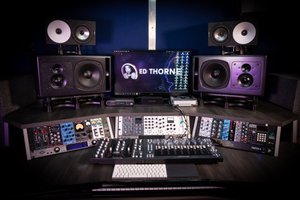
I have four Titan racks, housing 21 stereo and mono ng500-series processors, plus several rack units, and I love them! The software is flawless and recalls perfectly every time. The sound of each unit is wonderful, and the joy of using tactile rotary dials never loses its appeal over clicking a trackpad.
Then SSL dropped the Odyssey
On 30 July 2026, Solid State Logic unveiled Odyssey, a large-format analogue console built around what they call ActiveAnalogue technology: high-resolution digital control sitting behind fully analogue circuitry, extending the Instant Recall approach SSL introduced with Oracle to a fully modular platform. Every channel carries PureDrive mic preamps, switchable E/G Series EQ, full analogue dynamics, and motorised dual faders, and the whole console - patching, settings, processing - all recalling instantly.
SSL's own framing of the launch is worth quoting almost verbatim, because it says the quiet part out loud: for decades, analogue workflows forced engineers to choose between sonic excellence and operational speed, which is precisely what pushed the industry towards mixing in the box in the first place. Odyssey is SSL explicitly trying to remove that trade-off at the flagship end of the market, the same way Wes Audio and a handful of others have been doing at the 500-series and outboard level for a few years.
is a move away from ITB actually on the horizon?
The technical barrier is genuinely dissolving. Systems like Wes Audio’s NG500 and SSL’s ActiveAnalogue are bridging the gap between the inconvenience of analogue recall and the benefits of analogue sound.
This is happening at both ends of the market. Wes Audio's approach puts recallable analogue within reach of project studios, while SSL's Odyssey puts it at the flagship, film/broadcast/major-label end.
ITB isn't going anywhere.... Speed, portability, and remote collaboration are still hard for hardware to beat, recallable or not. What's more likely than a "swing back" is a widening of hybrid workflows: mix in the box, but push key elements through recallable analogue at the point where it actually matters to the sound.
The Hybrid approach. Or, do what I do, which is adopt the absolute best of both worlds - fully digitally recallable analogue channel strips, bus processing and stereo mastering, with choice plugins to produce mixes that honour the rough, compete with the reference, and translate everywhere!
MY PREDICTION FOR WHAT’s NEXT
I predicted several years ago that Wes Audio were going to be a key company in the future of pro audio. If I’m honest, I’m surprised their rise to market dominance has been so slow to get moving. But it is moving, and SSL adopting their digital control concepts is a huge benchmark in the future of studio workflows. Hybrid workflows will bring analogue back, digital recall will bring studio costs down, and there is even the potential of running all this remotely. Imagine having access to a 96-channel SSL console from your lounge!